

Apostolic Visit of Pope Leo XIV to Argentina: Official Statement by Prince Antoine V
Prince Antoine V welcomes the Holy Father's reflections on the memory of peoples, the recognition of historical injustices and the preservation of human and natural heritage.
Presentation
As part of his apostolic trip to South America, His Holiness Pope Leo XIV visited Argentina on November 8, 2026. On this occasion, he met with the President of the Argentine Republic, Javier Milei, before addressing national authorities, civil society representatives and the diplomatic corps at the Palacio Libertad in Buenos Aires.
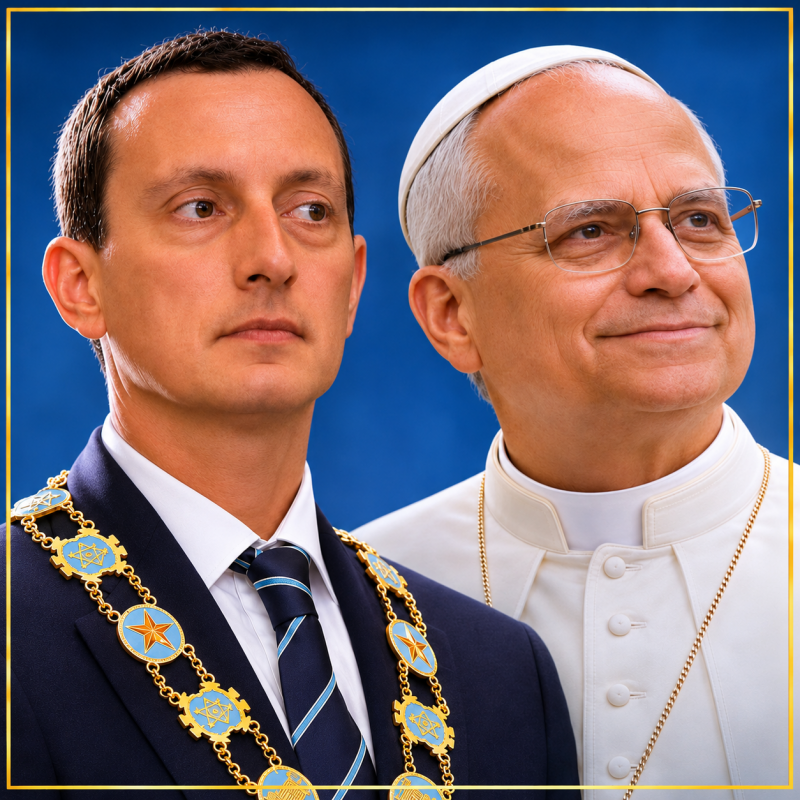
In his address, the Holy Father spoke in particular of the historical contribution of indigenous peoples to the formation of the Argentine nation, the need to recognize the injustices of the past and the responsibility of each generation in preserving the common heritage. He also stressed the importance of development that respects people and their environment.
These reflections attracted the attention of His Royal Highness Prince Antoine V of Araucania and Patagonia, who wished to express publicly his consideration for the words of the pontiff.
In view of the historical links between the Royal Household and the history of the Mapuche people, the Prince underlines in particular the scope of these reflections for the Wallmapu and recalls the importance of dialogue, historical recognition and respect for the dignity of indigenous peoples.
On 9 November 2026, it issued the following official statement.
OFFICIAL DECLARATION
His Royal Highness Prince Antoine V of Araucania and Patagonia
Following the speech given by His Holiness Pope Leo XIV to the Argentine authorities
Following the speech delivered on 8 November 2026 by His Holiness Pope Leo XIV to the Argentine authorities, civil society and diplomatic corps, I would like to express my deep appreciation for the reflections he has devoted to the memory of peoples, the responsibility of generations and the preservation of the human and natural heritage.
The Holy Father rightly recalled that indigenous peoples have belonged to the history of Argentina since long before the nation was born. This recognition underlines a fundamental reality: the history of a territory does not begin with the creation of modern states. It is rooted in a memory, cultures and traditions passed down through generations, which continue to contribute to the identity of peoples.
I also attach particular importance to his call to address the unjust consequences of the past. As Pope Leo XIV pointed out, each generation receives an inheritance that it is up to it to preserve, but also to enrich. This responsibility presupposes looking at history with lucidity, acknowledging its wounds and making this memory a foundation for more just relations, respectful of the dignity of each individual.
The Holy Father's reflections on the protection of creation and the exploitation of natural resources also deserve special attention. It recalls that development must take into account the people and communities living in these territories, so that the use of their wealth really contributes to their well-being and preserves the conditions necessary for life and work. This requirement calls for a sustainable balance to be struck between economic development, environmental protection and respect for human communities.
These words are particularly echoed in the situation of the Mapuche people, whose ancestral presence, history and culture are deeply linked to Wallmapu, a historical territory now located on both sides of the border between Chile and Argentina. The preservation of its cultural heritage, the recognition of its history and respect for its link with the land are essential issues that deserve constant attention.
As Prince of Araucania and Patagonia, and in view of the historic links between the Royal House and the history of the Mapuche people, I remain convinced that dialogue, mutual recognition and respect for fundamental rights are essential to building a future based on justice and peace. It is not a question of rekindling the divisions of the past or opposing memories, but of allowing each to be recognized in its truth and dignity.
Pope Leo XIV's call to consider the homeland as a legacy received from previous generations and entrusted to those who will come later beyond national borders. He recalled that responsibility for the future meant preserving the richness of cultures, respecting identities and passing on a living heritage to future generations.
I hope that the words of the Holy Father will encourage the authorities, institutions and civil societies to continue their efforts to promote the dignity of indigenous peoples, the preservation of their heritage and respect for their territories.
Recognition of the history of peoples is a demand for justice. Respect for their identity is a condition for peace. The transmission of their legacy is a responsibility to future generations.
Done on November 9, 2026.
H.R.H. Prince Antoine V
Prince of Araucania and Patagonia
Royal House of Araucania and Patagonia
This declaration is part of the Royal House of Araucania and Patagonia's commitment to the preservation of historical memory, the recognition of Mapuche cultural heritage and the defence of the dignity of indigenous peoples.
It recalls Prince Antoine V's conviction that recognition of history, dialogue between peoples and respect for identities are essential foundations for lasting peace.
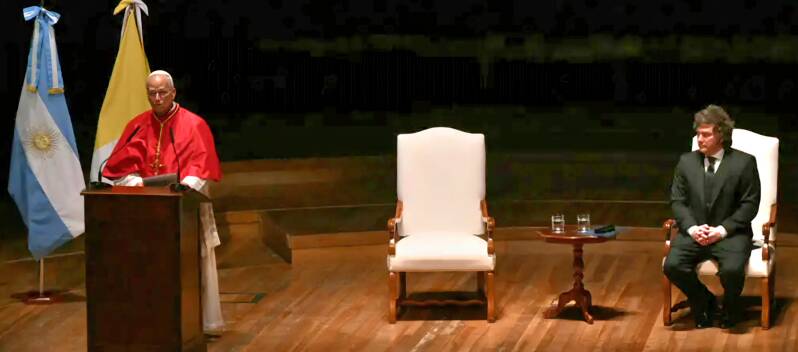
THE SPEECH OF POPE LEO XIV
The speech given by Pope Leo XIV on November 8, 2026, is the reference text of this declaration.
The Holy Father recalls in particular that indigenous peoples were part of the history of the Argentine territory even before the birth of the nation. It also stresses the responsibility of successive generations in recognising historical injustices, preserving heritage and protecting natural resources for the benefit of communities.
Read the full text of the speech:
Address of Pope Leo XIV to the Argentine authorities - 8 November 2,026