Royal House of Araucania and Patagonia
History · Legacy · Continuity
The Royal House of Araucania and Patagonia perpetuates the historical memory and institutional heritage of the Kingdom of Araucania and Patagonia, founded in 1860 on the initiative of Orélie-Antoine de Tounens.
Heir to a unique history linked to the territories of Araucania and Patagonia, the Royal House is part of an approach to preserving historical memory, enhancing cultural heritage and engaging in dialogue with the Mapuche people.
Now represented by Prince Antoine V, the Royal House continues its mission of historical transmission and commitment to the dignity, culture and rights of indigenous peoples.
A History Born in 1860
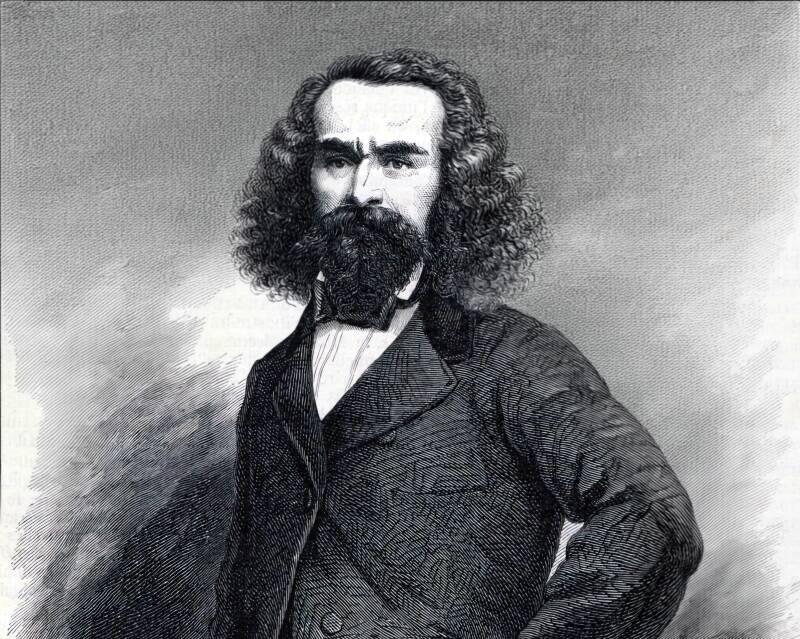
In 1860, Orélie-Antoine de Tounens, a French lawyer from Périgord, undertook a unique political project in Araucania. His initiative gave birth to the Kingdom of Araucania and Patagonia, a historical experience closely linked to the question of the autonomy of the Mapuche territories in the face of the expansion of neighbouring states.
This history is today a particular historical and memorial heritage, at the crossroads of European history, South American history and the history of the Mapuche people.
The Royal Household ensures the preservation and transmission of this memory, its archives and its institutional traditions.
Prince Antoine V, current head of the Royal Household
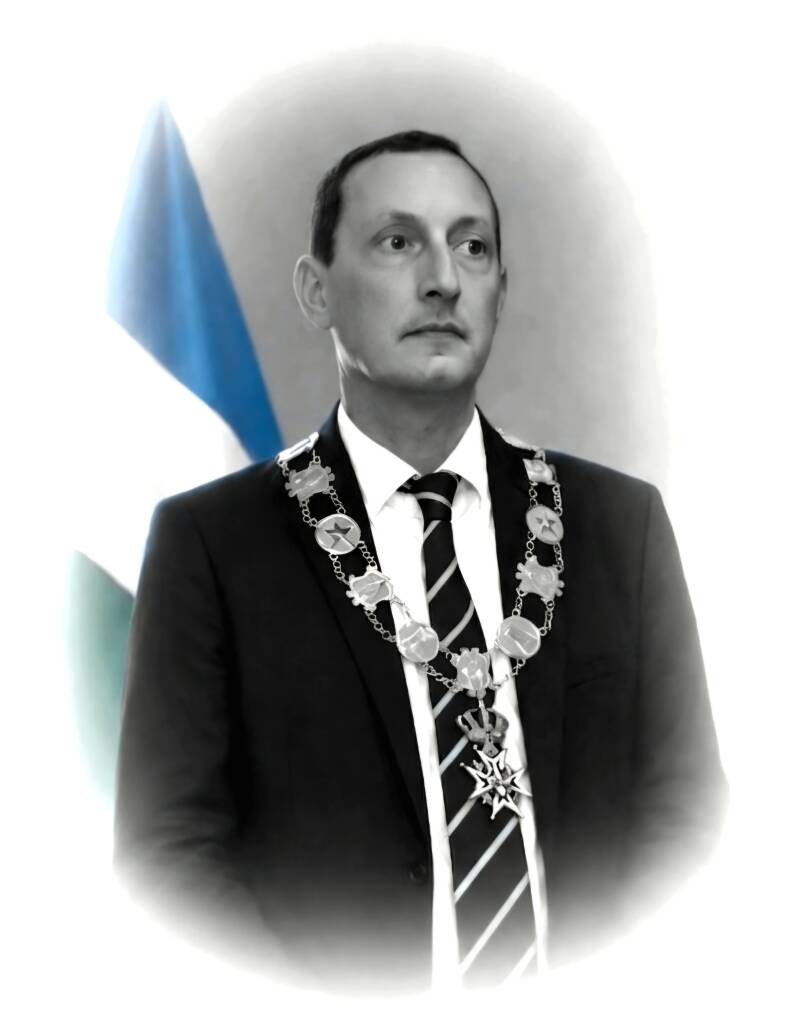
Since his election on 12 May 2025, Prince Antoine V has been in charge of the Royal House of Araucania and Patagonia.
Its action is part of a desire for historical continuity, international openness and the renewal of the institutional presence of the Royal Household.
Its commitment includes:
The preservation of the history and archives of the Kingdom.
The development of cultural and institutional relations.
Enhancing Mapuche heritage.
Promoting dialogue and the rights of indigenous peoples.
The development of humanitarian and cultural cooperation projects.
The Mapuche heritage, an essential dimension
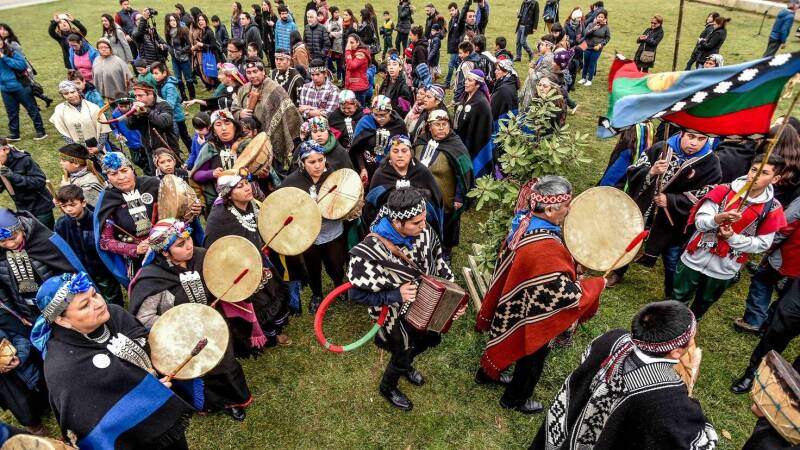
The history of the Kingdom of Araucania and Patagonia is inseparable from that of the Mapuche people and its historical territory, Wallmapu.
The Royal Household wishes to contribute to the knowledge of this history, the transmission of cultural traditions and the recognition of the dignity and rights of the Mapuche people.
This approach is based on dialogue, respect for communities and the preservation of a living cultural heritage.
The Royal Household does not claim to replace the institutions, organizations or representatives of the Mapuche communities.
History, Archives and Heritage
Its archives and documentary resources make it possible to discover:
Orélie-Antoine de Tounens and the founding of the Kingdom.
The various rulers of Araucania and Patagonia.
Constitutional and historical documents.
The symbols, coats of arms and traditions of the Royal House.
Historical relations between Araucania, Patagonia and the Mapuche people.
Frequently Asked Questions
What is the Royal House of Araucania and Patagonia?
It is the dynastic institution that perpetuates the history and heritage of the Kingdom of Araucania and Patagonia, founded in 1860 by Orélie-Antoine de Tounens.
Who is the current head of the Royal House?
Prince Antoine V, elected on 12 May 2025.
Is the Kingdom of Araucania and Patagonia an internationally recognised state?
No. The Kingdom is a historical and dynastic entity in exile and is not recognised as a sovereign state by the international community.
What is the link between the Royal Household and the Mapuche people?
The Kingdom has a history linked to the Mapuche people. The Royal House contributes to the preservation of this memory and encourages dialogue around its cultural heritage and rights.